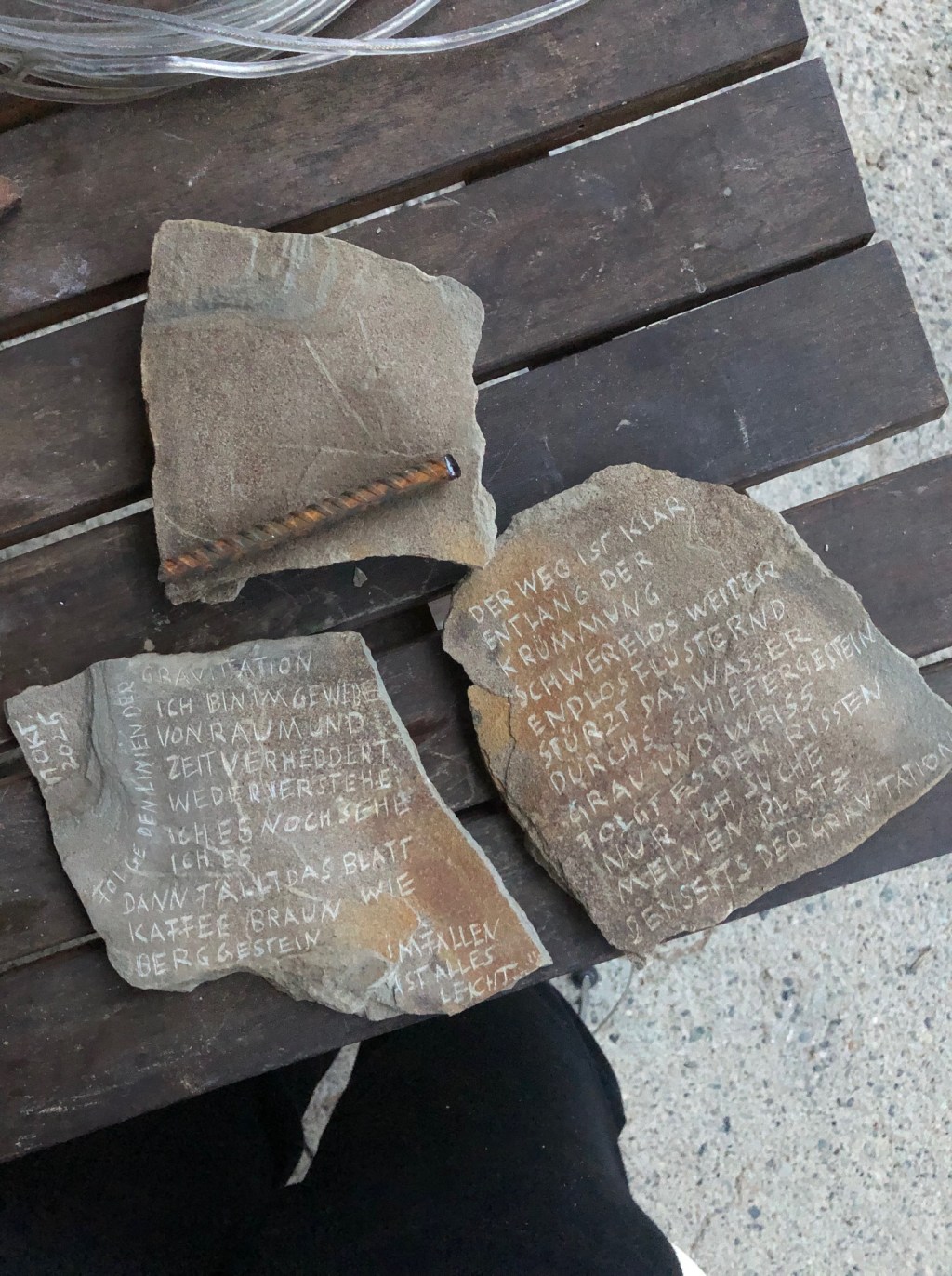
Stories are complex and beautiful constructions that change minds and shape reality. My mission is to understand how this transformation happens through research grounded in seven key fields:
Creative & Free Writing
Creative writing isn’t just about putting words on a page—it’s about shaping emotion into language, turning ideas into experiences, and giving voice to what matters most. Whether you’re crafting fiction, memoir, or poetic reflections, creative writing empowers you to explore, connect, and transform through story. Most of all: You have to write to discover what you are going to write! Read more
Literature & Authors
Literature is the art of capturing human experience in its richest form. Through stories, poetry, and prose, literature challenges us to think deeper, feel more, and see the world through perspectives beyond our own. It preserves cultures, questions norms, and gives language to what often goes unspoken. Great writers teach us the uncountable ways to archieve this.
Narrative Theory
Narrative theory is the study of how stories work—how they’re structured, how they shape meaning, and how they influence the way we understand reality. It uncovers the mechanics behind storytelling across cultures and media, revealing how narratives don’t just reflect the world, but actively shape our thoughts, emotions, and identities. Read more…
Narrative Psychology
Narrative psychology explores how we make sense of our lives through the stories we tell about ourselves and others. It sees identity not as a fixed trait, but as a dynamic narrative shaped by memory, emotion, and social context—revealing how storytelling is central to human meaning-making, healing, and personal growth.
Biology & Cognitive Science
Biology and cognitive science together explore the foundations of life and mind—how living systems function and how thinking emerges from the brain. This interdisciplinary approach connects molecules to memory, neurons to behavior, and evolution to consciousness, helping us understand the biological roots of perception, emotion, learning, and thought.
Philosophy & Metaphysics
Philosophy asks what reality is—and who we are within it. Metaphysics explores the fundamental nature of existence, while the concept of narrative identity shows how we make sense of ourselves through the stories we tell. Together, they reveal that our reality isn’t just what is, but how we understand being through meaning, memory, and time.
Systematic Thinking & Meaning Making
Systematic thinking is a method of understanding and solving problems by analyzing how the parts of a system interact and influence one another over time. It emphasizes structure, logic, and interconnectedness rather than isolated facts or quick fixes. Systematic thinking involves looking at the big picture (the complete story) and understanding how things work together as a whole, rather than focusing only on individual pieces.
Meaning-making is the process of interpreting and understanding experiences, events, or information in a way that gives them personal, emotional, or philosophical significance. It is a core function of storytelling.
Consultancy and Coaching
I can help you craft narratives with clarity, emotion, and purpose—whether you’re building a brand, writing a script, or looking for your own narrative voice. I offer guidance as a storytelling expert, writing coach, and narrative consultant. Let’s connect if you’re curious to learn more.
Writing Coach / Text Editor
For novelists, memoirists, or nonfiction authors.
- Clarify your message / meaning-making
- Stay accountable
- Refine voice and tone
- Improve structure and flow
Narrative Consultant
For universities, businesses or creators who want help telling their story across media, or need advise in developing educational strategies:
- Storytelling strategies for higher education
- Website/marketing storytelling
- Personal branding
Script Doctor / Screenplay Consultant
If you’re working on film, TV, or web series scripts and need help with:
- Story structure
- Character arcs
- Dialogue polish
- Pacing and tone