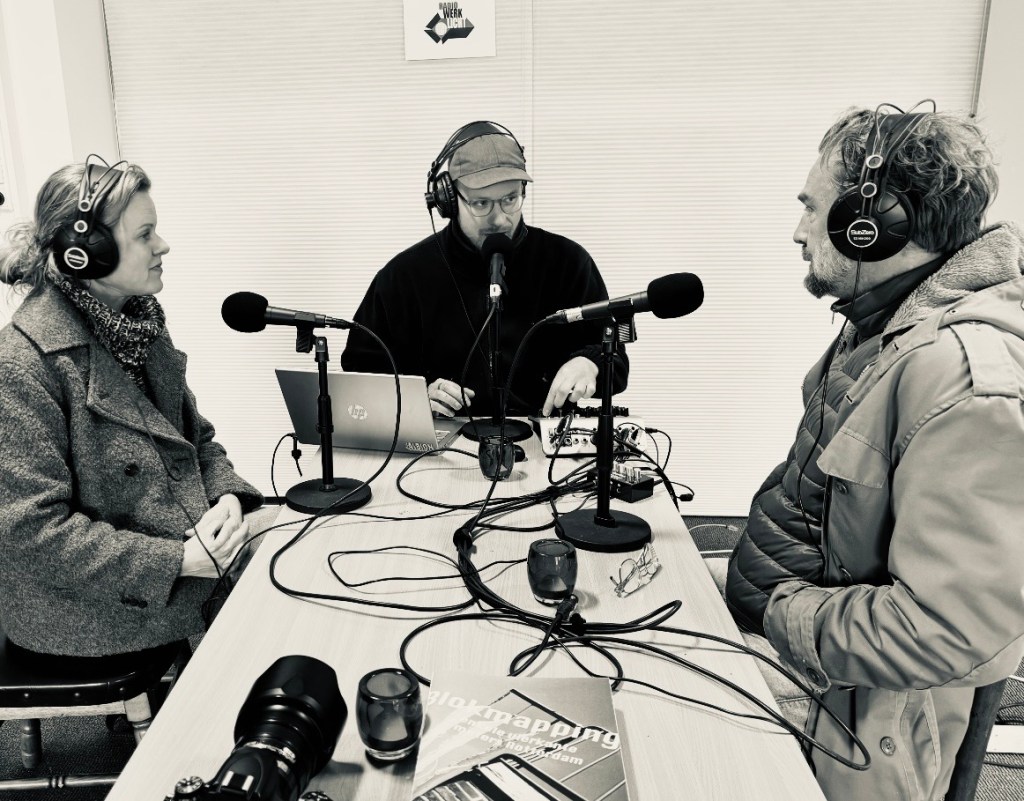
On Saturday, Michael Anhalt and I were interviewed by Calvin van de Merwe in a drafty corner of Katendrecht. We spoke about a decade of work that began almost by accident, when Michael and I became neighbours in 2008 on a street called Blokweg in Rotterdam Zuid.
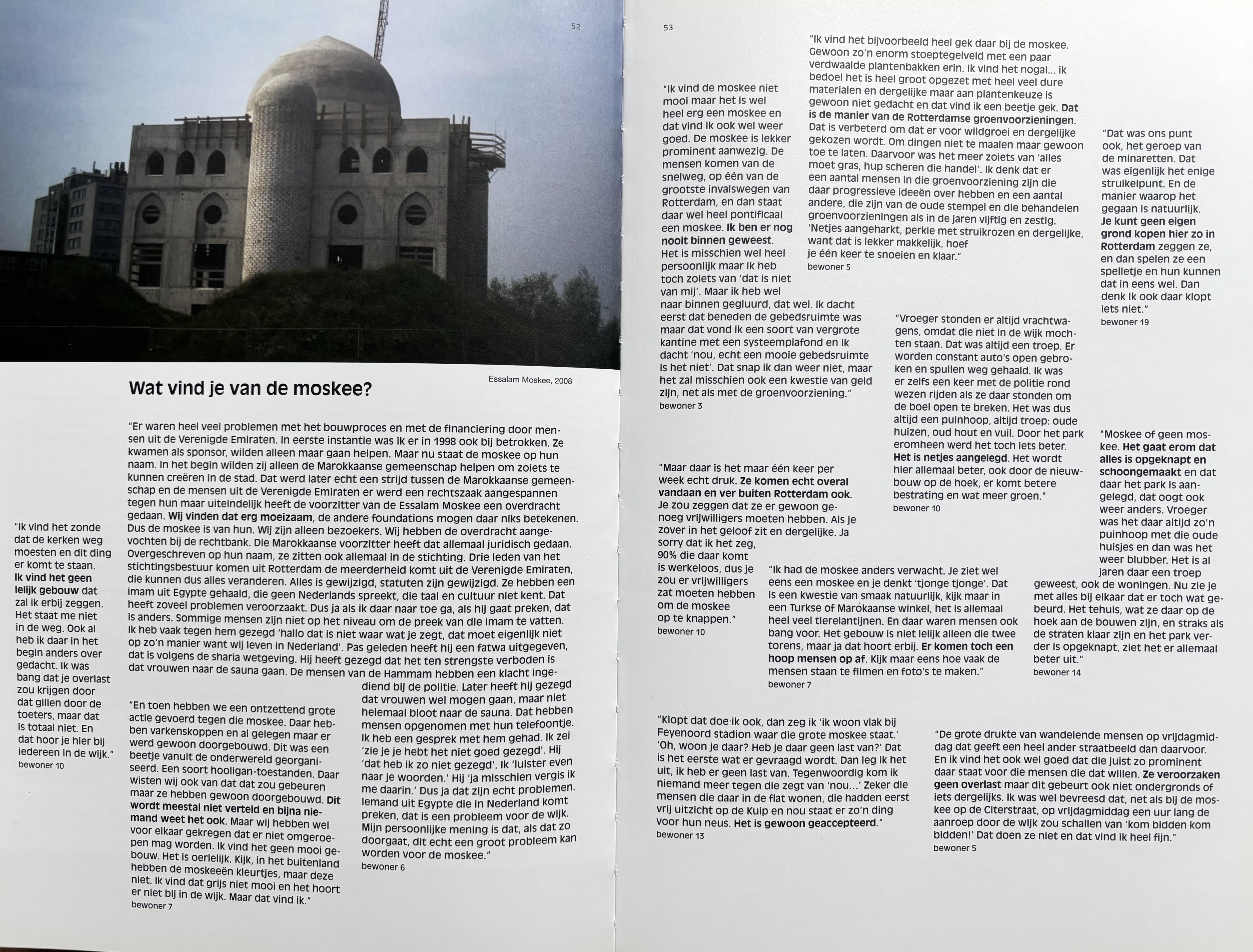
At the time, the area was constantly in the national news as one of the most desperate areas of the Netherlands, labelled as achterstandswijk, vogelaarwijk, krachtwijk. The Essalam mosque was still under construction, and Geert Wilders passed through our streets to film his campaign material. We wondered: what is it actually like to live here?
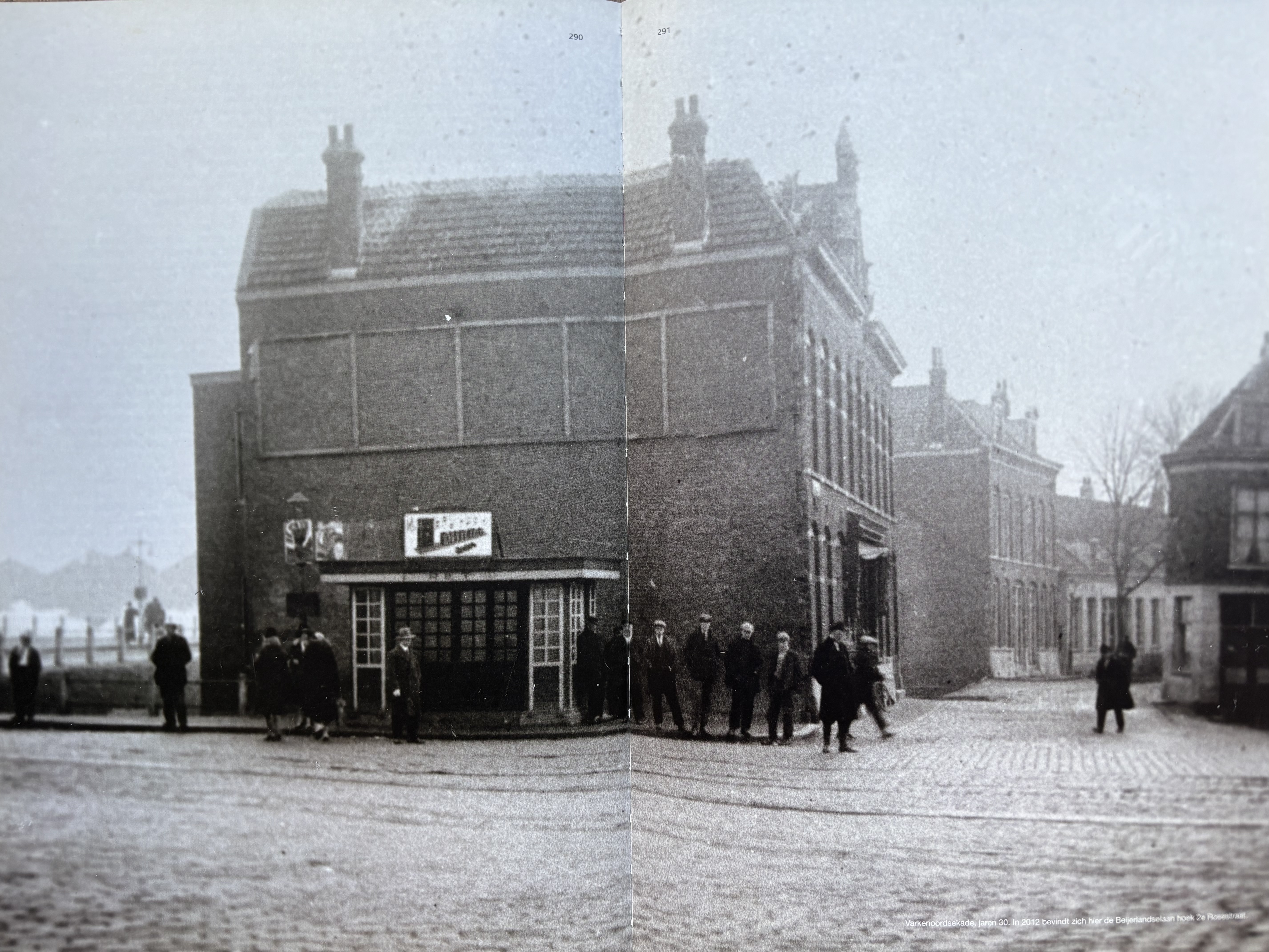
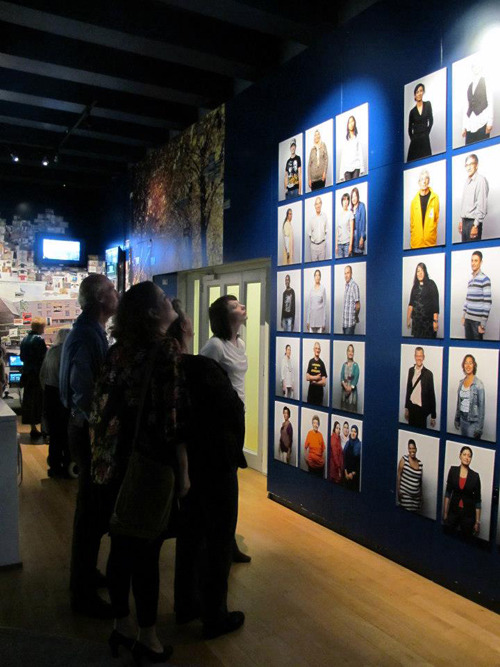
In the middle of our street was a small public garden with a single lamppost. We drew an imaginary circle with a radius of 333 meters and defined the area within it as our research area. In the following three years, we took photos, held interviews, collected media articles and images from Funda and Marktplaats, and shopping lists left in supermarket trolleys. We spoke with neighbours of all ages and backgrounds and heard how they had come to be here.
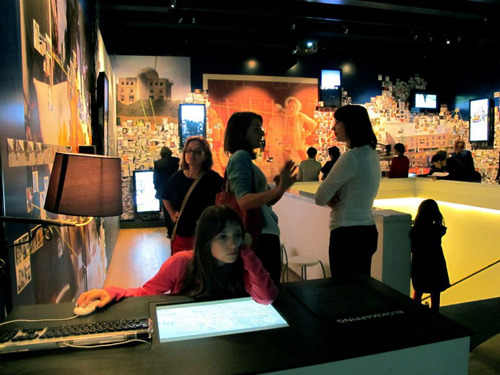
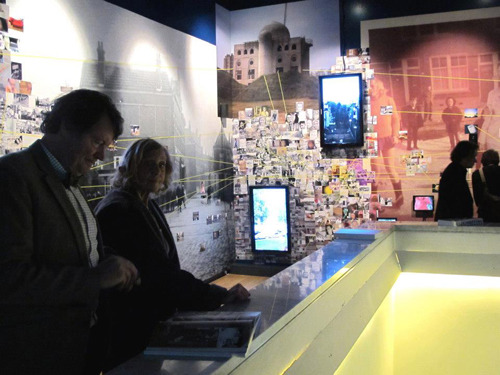
Halfway through, Blokmapping was adopted by Museum Rotterdam, allowing us to deepen our research as the neighbourhood itself began to transform rapidly, marked by large billboards reading “sloop, hoop en liefde” in happy pink letters.
In the background, our work was accompanied by mentors, most importantly, Flip Bool.
By now, everyone in that area knew about our strange collection. The archive developed a life of its own. At one point, we were asked to rescue the remains of a neighbourhood museum, boxes of photographs, diaries, and documents, which were rotting in the basement of an also-closing community house and which otherwise would have been thrown away.
We collected footage from “hangjongeren,” who posted videos of themselves burning down a playground on a newly invented video platform called YouTube, and discussed with them whether that was actually a smart idea, since nothing on the internet is really that anonymous as they thought.
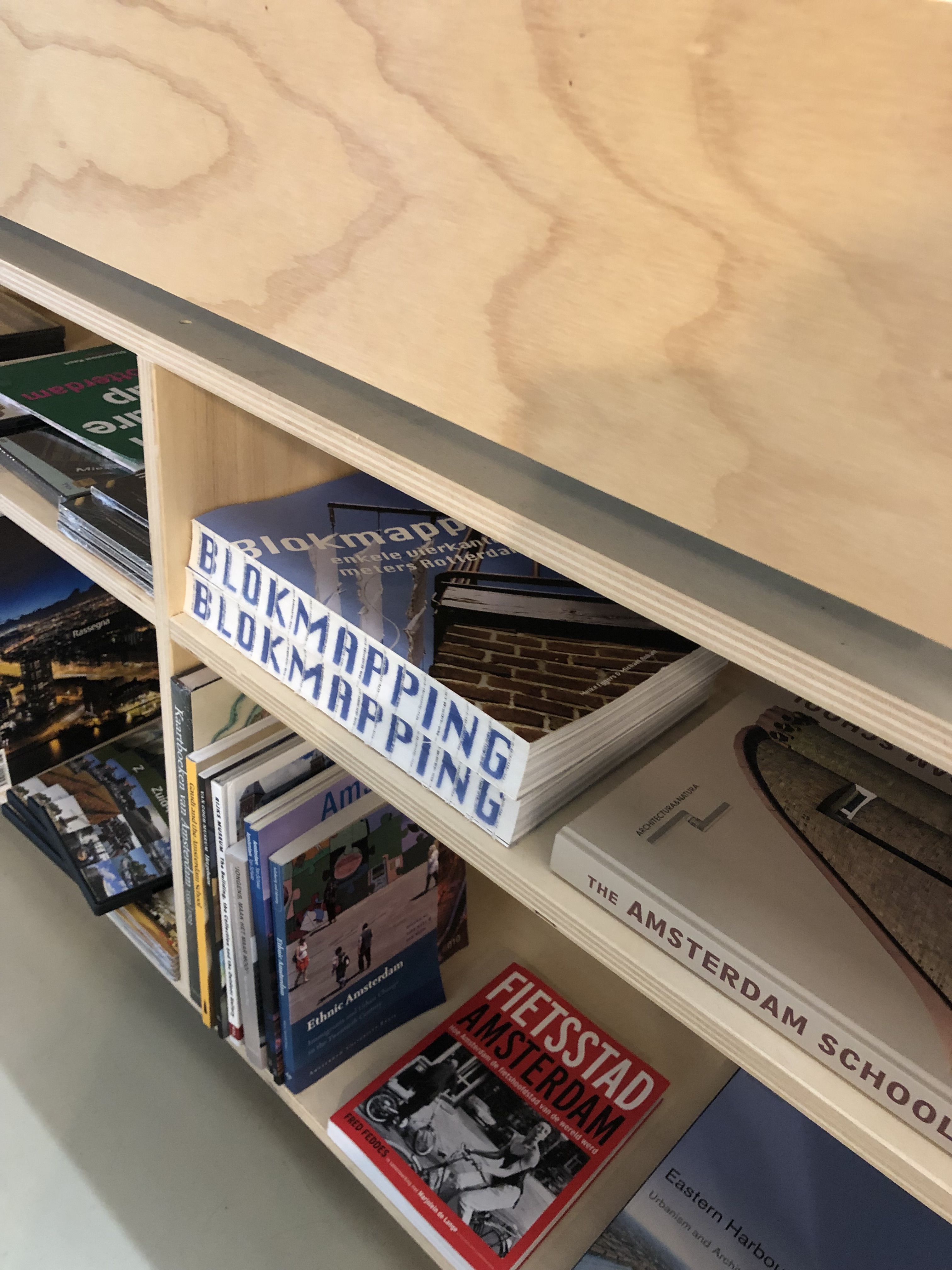
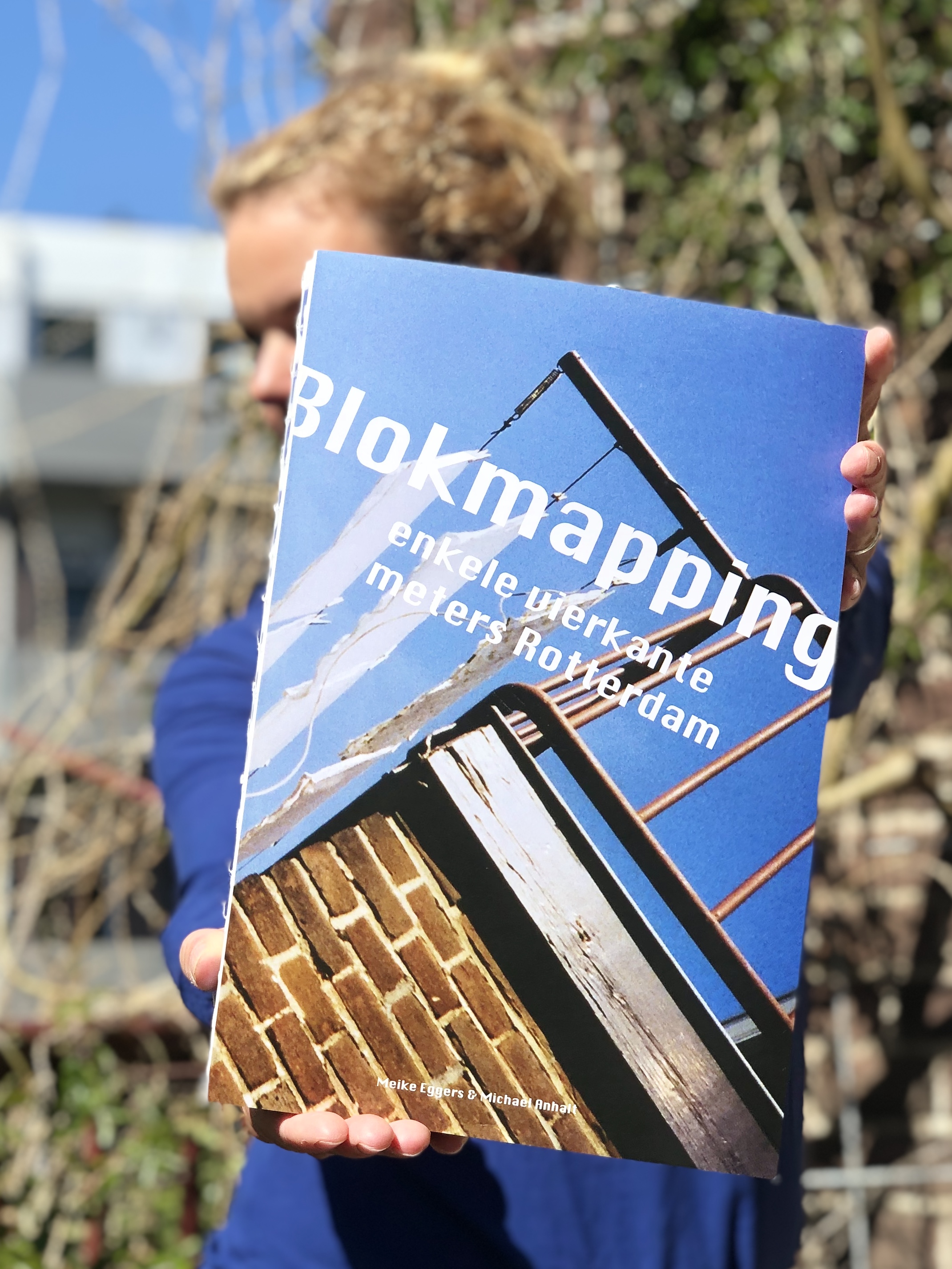
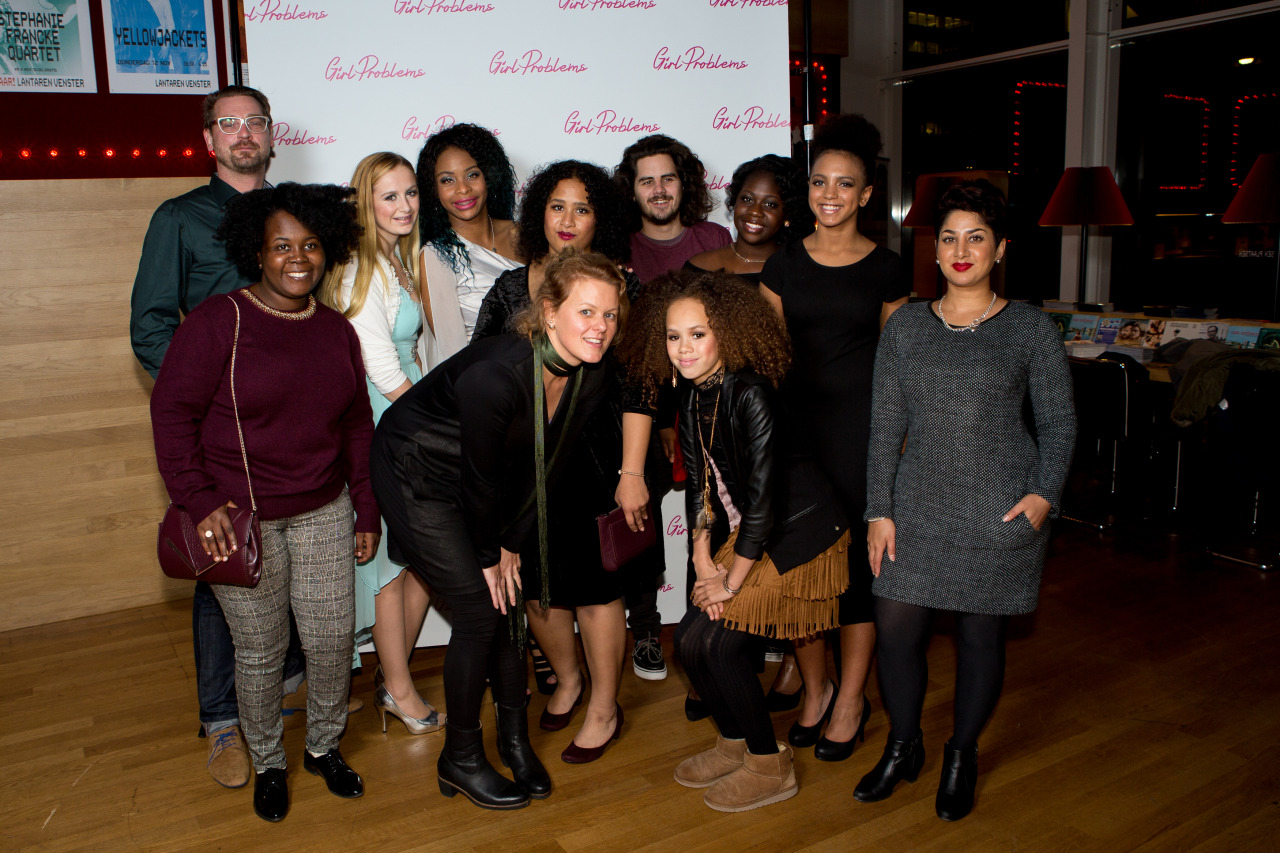
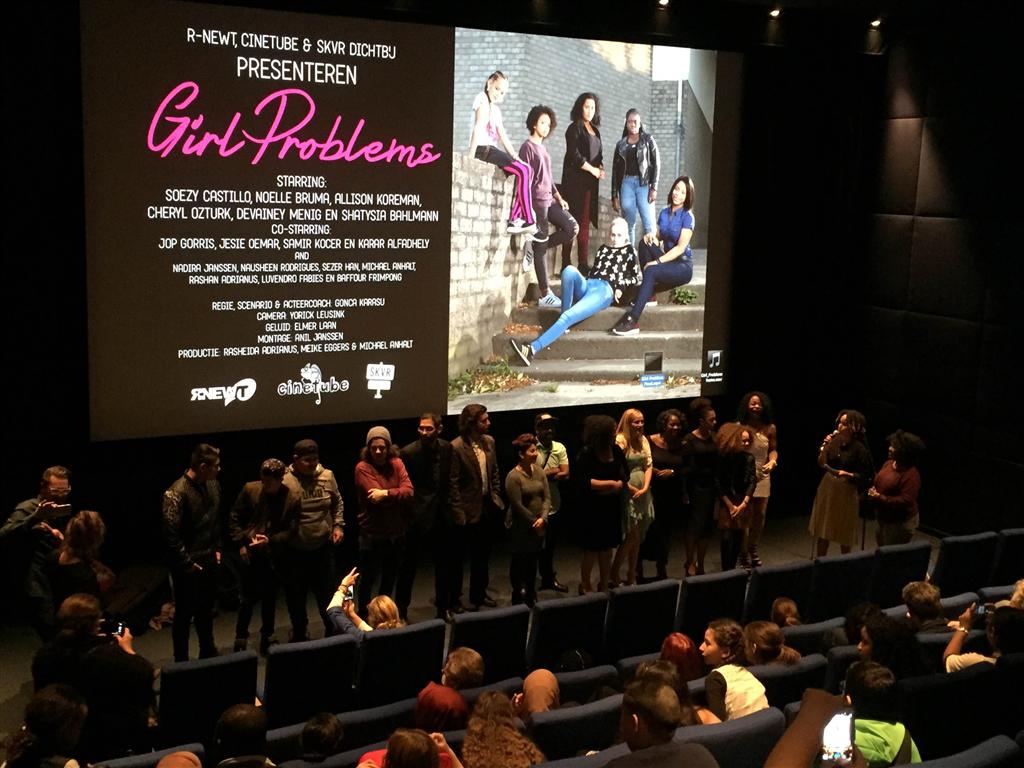
In 2011, Blokmapping was the last exhibition at the Schielandshuis by the departing director, Hans Walgenbach, of Museum Rotterdam. The exhibition was accompanied by a 400-page book and an online archive. For us, however, our work “op Zuid” continued with a media literacy project for teenagers in cooperation with SKVR. The power of stories, external and internal, visual and in words, in the formation of young people’s identity became a journey through many media and film workshops. We transformed wijkkamers into cinemas and served as guest teachers at an Islamic elementary school. One of the highlights was the infotainment series „Girls’ Problem “ we produced in cooperation with Rasheida Adrianus. The series puts the spotlight on the mostly invisible girls who one day asked Aboutaleb during a district meeting: “Do we also have to burn something before we are seen?” They wrote the script, acted and had a glamorous premiere on a big screen at Lantaren Venster in 2015. The series was also broadcast on Open Rotterdam and accompanied by public discussions.
For almost a decade, we were viewing Rotterdam from the inside. We collected stories and left new ones behind. We listened to many stories that would never have been told if we had not asked. You can find the interview at Werklicht Radio: https://open.spotify.com/episode/4Ghh2Wp7k8lVU9xvNJWJoB


Leave a comment